

Geen producten in de winkelwagen.
2026 Wastewater Equipment Procurement Guide: 5 Things to Ask Your Supplier
2026 Wastewater Equipment Procurement Guide: 5 Things to Ask Your Supplier
Inhoudsopgave
summary
Overview of Wastewater Equipment
Key Technologies in Wastewater Treatment
Regulatory and Industry Drivers
Future Trends and Considerations
Five Essential Questions to Ask Your Supplier
How Do You Customize Treatment Programs for My System?
What Kind of After-Sales Support and Maintenance Do You Offer?
Can You Provide References from Similar Facilities?
How Do You Evaluate and Ensure Quality Control?
What Are Your Innovation and Improvement Practices?
Critical Technical Specifications to Evaluate
Standard Normative Compliance
Technical Specifications and Custom Requirements
Cost-Benefit Analysis
Return on Investment and Supplier Evaluation
Maintenance and Operational Efficiency
Innovation and Sustainability
Building Relationships with Suppliers
Importance of Communication
Establishing Performance Metrics
Training and Development
Adaptability and Flexibility
Strategic Partnerships
Key Performance Indicators (KPIs) for Supplier Evaluation
Supplier Reliability Metrics
On-Time Delivery Rate
Lead Time
Order Accuracy
Quality Metrics
Defect Rate
Return Rate
Compliance with Specifications
Cost Control Metrics
Total Cost of Ownership (TCO)
Common Pitfalls to Avoid in Procurement
Lack of Compliance and Documentation
Inconsistent Application of Policies
Resistance to Change
Poor Supplier Management
Fragmented Data Systems
Underestimating Technology Integration
summary
The 2026 Wastewater Equipment Procurement Guide: 5 Things to Ask Your Supplier serves as a crucial resource for facility managers and procurement professionals in the wastewater treatment sector. As the industry evolves, driven by technological advancements and stricter environmental regulations, the need for effective procurement strategies becomes increasingly significant. This guide not only highlights key considerations for acquiring wastewater treatment equipment but also emphasizes the importance of asking the right questions to ensure the suitability and reliability of suppliers.
Notably, the global wastewater treatment equipment market is projected to grow from approximately $28 billion in 2020 to $41.8 billion by 2030, reflecting a compound annual growth rate of 4.2%. This growth is largely attributed to the increasing adoption of automation and advanced technologies, as well as heightened regulatory scrutiny demanding compliance with environmental standards. The guide underscores five essential questions that procurement teams should pose to potential suppliers, focusing on customization of treatment programs, after-sales support, quality control measures, innovation practices, and supplier references.
Additionally, the guide addresses the complexities of supplier evaluation, including the need for rigorous assessment of technical specifications, maintenance capabilities, and cost-effectiveness through comprehensive cost-benefit analyses. By establishing clear performance metrics and fostering strong supplier relationships, organizations can mitigate risks associated with procurement while enhancing operational efficiency and compliance with evolving regulations.
In conclusion, the 2026 Wastewater Equipment Procurement Guide stands as a vital tool in navigating the dynamic landscape of wastewater treatment equipment procurement. It not only equips decision-makers with the necessary insights to select appropriate suppliers but also reinforces the need for a strategic approach to ensure sustainable and efficient wastewater management practices.
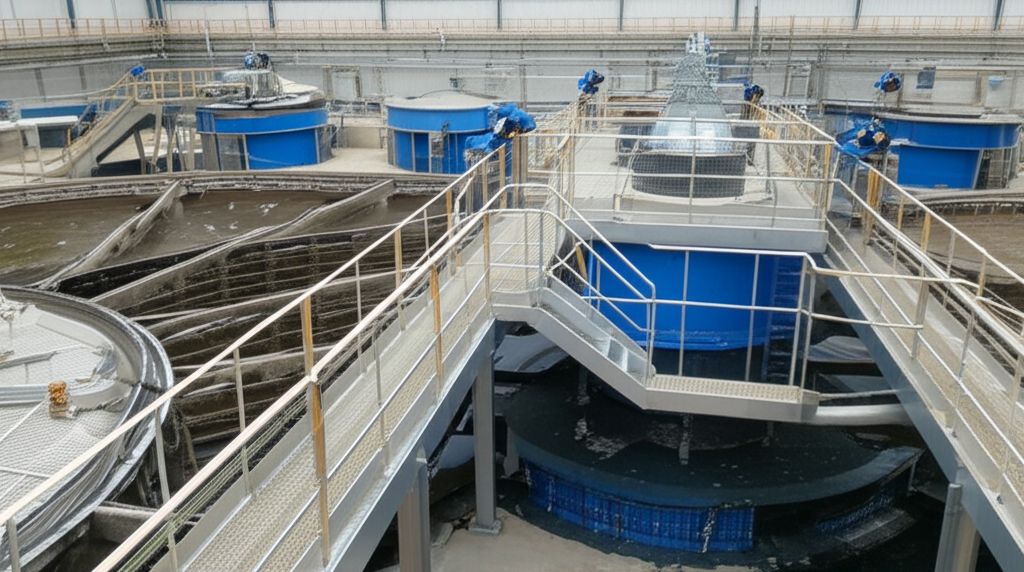
Overview of Wastewater Equipment
The wastewater treatment equipment market is undergoing significant transformation driven by technological advancements and evolving regulatory standards. As of 2020, the global market was valued at approximately $28.0 billion, with projections estimating growth to $41.8 billion by 2030, reflecting a compound annual growth rate (CAGR) of 4.2% from 2021 to 2030. This growth is fueled by the increasing adoption of automation, Internet of Things (IoT) technologies, and Rotary drum filter wholesaler, which enhance operational efficiency and enable real-time monitoring.
Key Technologies in Wastewater Treatment
Wastewater treatment encompasses a variety of techniques, each with distinct advantages and limitations. Major methods include membrane filtration, biological treatments, and various disinfection techniques. Membrane processes can be categorized into several types, such as reverse osmosis, ultrafiltration, microfiltration, and nanofiltration, each serving unique treatment needs.
Advanced treatment processes are crucial as many facilities currently lack modern systems, with only 37.5% of publicly owned treatment works having Mechanical Fine Bar Screen manufacturer as of 2022. Technologies like fine bubble disc diffusers enhance the efficiency of biological treatment by delivering oxygen to microorganisms, thus improving pollutant breakdown.
Regulatory and Industry Drivers
Regulatory frameworks play a vital role in shaping the wastewater equipment landscape. Governments worldwide are tightening environmental regulations and water quality mandates, which incentivize the adoption of sustainable treatment solutions. Industries such as agriculture, pharmaceuticals, food and beverage, textiles, and chemicals are increasingly reliant on specialized treatment systems to manage wastewater effectively and comply with environmental standards.
The integration of advanced monitoring and digital procurement platforms into wastewater management systems is improving responsiveness and reducing lead times in the supply chain, further driving the demand for innovative solutions.
Future Trends and Considerations
Looking towards 2026, the focus is shifting towards modular treatment systems, allowing for scalable and adaptable designs that can meet varying capacities and integrate new technologies without complete overhauls. These systems not only improve installation and maintenance efficiencies but also support the trend towards decentralized treatment approaches, particularly beneficial for smaller communities and commercial facilities.
Furthermore, precision Auto Polymer Preparation Unit manufacturer and enhanced monitoring systems are emerging as standard expectations in wastewater treatment. These innovations enable real-time adjustments based on feedback loops, ensuring optimal chemical application and reducing overall operational costs.
Five Essential Questions to Ask Your Supplier
When procuring wastewater treatment equipment, asking the right questions can significantly enhance the effectiveness of your partnership with a supplier. Here are five critical inquiries every facility manager should consider before finalizing a contract.
1. How Do You Customize Treatment Programs for My System?
Understanding how a supplier tailors their treatment programs to meet the specific needs of your facility is crucial. This customization should account for factors such as the unique composition of your wastewater and any regulatory requirements you must meet. A supplier should be able to demonstrate flexibility and innovation, offering solutions that adapt to your operational challenges rather than employing a one-size-fits-all approach.
2. What Kind of After-Sales Support and Maintenance Do You Offer?
It’s vital to explore the extent of after-sales support and maintenance provided by the supplier. Inquire about specific certifications, such as ISO 14001, and ask for third-party audit reports to verify compliance with local discharge limits. Additionally, consider how the supplier plans to future-proof your systems against evolving regulations, ensuring that your equipment can adapt without necessitating a complete overhaul as standards change.
3. Can You Provide References from Similar Facilities?
References from past clients can offer invaluable insights into a supplier’s reliability and performance. Request 3-5 references from facilities similar to yours in size and industry, and delve into specific questions regarding their experiences—such as equipment longevity, supplier responsiveness to issues, and overall satisfaction. These discussions can provide a clearer picture of the supplier’s capability to meet your expectations.
4. How Do You Evaluate and Ensure Quality Control?
Inquire about the quality control measures the supplier employs throughout their processes. Understanding their defect rates, order accuracy, and responsiveness to issues will give you a sense of how they manage quality and address challenges that may arise. Additionally, assess how proactive they are in communicating potential issues, as transparency fosters a more reliable partnership.
5. What Are Your Innovation and Improvement Practices?
It’s important to know how a supplier approaches innovation and continuous improvement. Ask about their investment in new technologies or practices that could enhance treatment efficiency or reduce costs. Inquire if they have engaged in joint development projects with other clients, as this can highlight their commitment to evolving and adapting to new industry standards and challenges.
Critical Technical Specifications to Evaluate
Standard Normative Compliance
In wastewater equipment procurement, it is essential to adhere to a Standard Normative System that includes compliance with national and industry standards. Key documents such as the “Outdoor Drainage Design Standards” (GB50014-2021) and the “Pollutant Discharge Standards for Urban Wastewater Treatment Plants” (GB18918-2002) must guide the entire process from design through to acceptance inspection. Suppliers should be evaluated on their ability to meet these standards, ensuring that the equipment aligns with regulatory requirements and operational norms.
Technical Specifications and Custom Requirements
When national standards do not provide explicit guidelines for specialized equipment or materials, bidders are required to submit their own Multi-disc screw press | Sludge dewatering machine manufacturer and standard documents for approval. This requirement emphasizes the importance of assessing the rationality and advancement of proposed technologies, thereby ensuring that they meet the specific needs of the facility.
Cost-Benefit Analysis
Conducting a comprehensive cost-benefit analysis is vital for evaluating potential suppliers. This analysis should consider not only the initial purchase price but also ongoing maintenance expenses, energy consumption, and Wastewater Sludge Dryer factory associated with the equipment. A detailed evaluation helps justify the investment by weighing the benefits against costs, ensuring that the chosen equipment aligns with long-term operational goals.
Return on Investment and Supplier Evaluation
Once proposals are received, it is crucial to rigorously assess each supplier based on factors such as price, quality, delivery timelines, warranty provisions, and after-sales support. A robust evaluation process aids in selecting suppliers that best meet established criteria, contributing to the overall efficiency and effectiveness of wastewater treatment operations.
Maintenance and Operational Efficiency
Effective maintenance schedules play a critical role in extending the lifespan of equipment and ensuring peak operational performance. Suppliers offering comprehensive maintenance plans and solid warranty options should be prioritized, as these factors contribute to minimizing unexpected failures and associated costs. Furthermore, understanding the operational costs, including energy usage, maintenance needs, and compliance with regulations, is essential for evaluating the overall financial viability of the investment.
Innovation and Sustainability
Recent advancements in technology, such as membrane bioreactors (MBRs) and Dissolved air Flotation DAF factory, should also be considered when evaluating suppliers. These innovations not only enhance efficiency but also reduce environmental impacts, thereby supporting sustainable wastewater management practices. Additionally, suppliers that incorporate energy-saving features and renewable energy sources into their systems can offer long-term cost savings while contributing to environmental sustainability.
Building Relationships with Suppliers
Establishing strong relationships with suppliers is essential for enhancing collaboration and ensuring mutual success in procurement practices. By treating suppliers as partners rather than mere vendors, organizations can foster trust and open lines of communication, which can lead to co-development opportunities and innovative solutions.
Importance of Communication
Regular and transparent communication is critical to avoid misunderstandings and to cultivate a sense of partnership. Organizations should promote clear, consistent dialogue, leveraging technology to enhance communication efficiency. Discussing challenges openly and sharing forecasts enables both parties to align on goals and expectations, ultimately strengthening their relationship.
Establishing Performance Metrics
Building trust goes beyond initial engagement; it requires ongoing investment in supplier performance management. Organizations should implement regular performance reviews using key metrics such as delivery timelines, product quality, responsiveness, and issue resolution. A transparent performance management process allows suppliers to understand expectations clearly and work collaboratively toward improvement.
Training and Development
Training should be considered an ongoing commitment rather than a one-time event. Engaging suppliers in training and development fosters a deeper understanding of each party’s operational capacities and technological requirements. Ensuring that both suppliers and internal staff are well-trained can enhance the effectiveness of the procurement process, reduce downtime, and improve overall operational efficiency.
Adaptability and Flexibility
Supplier relationships must evolve to accommodate changing business needs and regulatory environments. Procurement guidelines should be designed to be modular and flexible, allowing for updates without starting from scratch. This adaptability is crucial as organizations seek to align their procurement practices with sustainability goals and market demands.
Strategic Partnerships
Ultimately, the focus should be on building strategic partnerships that yield mutual benefits. Closer relationships between buyers and suppliers not only create significant value but also contribute to more resilient supply chains. By fostering these partnerships, organizations can ensure long-term sustainability, innovation, and competitive advantage in the marketplace.
Key Performance Indicators (KPIs) for Supplier Evaluation
In the procurement of wastewater equipment, establishing effective Key Performance Indicators (KPIs) is critical for evaluating supplier performance and ensuring alignment with organizational objectives. KPIs serve as measurable goals that help procurement teams assess vendor reliability, quality, and overall effectiveness in delivering services and products.
Supplier Reliability Metrics
On-Time Delivery Rate
The on-time delivery rate is a vital KPI that measures the percentage of orders that arrive on or before the agreed delivery date. This metric is crucial for maintaining production schedules and preventing costly downtime. A rate below 70% can trigger significant operational disruptions, leading to lost sales and increased operational costs. Tracking this KPI over time helps identify chronic delays and enables proactive management of supplier performance.
Lead Time
Lead time is defined as the duration from when a purchase order is placed until the equipment is received. Monitoring both the average lead time and its variability allows organizations to pinpoint risks in their supply chain, especially in just-in-time inventory systems. Shorter and more stable lead times contribute to enhanced agility and reduced inventory buffers.
Order Accuracy
Order accuracy, which measures the percentage of orders filled correctly, is essential to avoid stockouts and minimize rework. High order accuracy rates, often mandated by large retailers like Walmart, ensure that the right equipment is delivered without discrepancies. Improvements in labeling and packaging practices can significantly enhance this metric.
Quality Metrics
Defect Rate
The defect rate is calculated by dividing the number of defective units by the total units delivered, then multiplying by 100 to express it as a percentage. This KPI is essential for safeguarding brand value and ensuring compliance with safety standards. Leading suppliers aim for a defect rate below 1% to maintain high-quality output.
Return Rate
The return rate, defined as the frequency of returned items due to defects or non-conformance, is another critical quality metric. High return rates can signal persistent quality issues that need immediate attention. Regular monitoring of these rates helps organizations identify patterns and address root causes effectively.
Compliance with Specifications
Ensuring compliance with technical, regulatory, or contractual specifications is imperative in the wastewater sector. This KPI involves rigorous audits and checks to confirm that products meet the required standards. Non-compliance can lead to severe repercussions, such as costly recalls and damage to reputation.
Cost Control Metrics
Total Cost of Ownership (TCO)
TCO encompasses more than just the unit price of equipment; it includes Sludge Cake Conveyor wholesaler, handling, storage, and lifecycle costs. By analyzing TCO, organizations can make informed sourcing decisions that balance cash flow, service, and risk. A higher initial unit price might be justified if the total cost of ownership is lower due to factors like reduced failures or faster delivery.
Common Pitfalls to Avoid in Procurement
Effective procurement is crucial in managing resources efficiently, yet organizations often encounter various challenges that can hinder success. Understanding these common pitfalls and how to avoid them is essential for maintaining streamlined operations.
Lack of Compliance and Documentation
One significant issue in procurement is non-compliance with both internal policies and external regulations. Failure to follow established procurement procedures can result in penalties or reputational damage. To mitigate this risk, organizations should establish clear procurement guidelines that define vendor selection processes, contract approvals, and spending thresholds. These measures not only ensure compliance but also build transparency and trust among stakeholders.
Inconsistent Application of Policies
Even well-defined procurement policies can suffer from inconsistent application across different teams or regions. This inconsistency can complicate audits and weaken governance. To overcome this challenge, assigning dedicated procurement leads within each department can help ensure uniform enforcement of policies and support training initiatives.
Resistance to Change
Introducing structured procurement procedures often meets resistance from employees who are accustomed to informal workflows. This reluctance can slow adoption and lead to inconsistencies. To facilitate smoother transitions, it is crucial to involve employees early in the development of procurement guidelines and clearly communicate the benefits of the new processes. Providing real examples of efficiency improvements can foster buy-in and support.
Poor Supplier Management
Ineffective supplier management can lead to issues such as missed service level agreements (SLAs) and higher costs. Establishing clear expectations and compliance requirements in contracts is vital. Additionally, conducting regular performance reviews and maintaining open communication with suppliers can help ensure they adhere to guidelines and meet expectations.
Fragmented Data Systems
When procurement data is scattered across multiple platforms, it can result in reduced visibility and increased errors. This fragmentation can lead to duplicated efforts and lost information regarding vendor contracts and approvals. Implementing a unified procurement platform can centralize all relevant data, improving transparency and facilitating better decision-making by leadership.
Underestimating Technology Integration
The integration of new technologies can be complex, particularly when working with legacy systems. Organizations must carefully plan for this integration to avoid disruptions in procurement processes. Conducting thorough assessments of existing infrastructures and engaging with technology providers can help organizations navigate these challenges successfully.
By recognizing these common pitfalls and proactively addressing them, organizations can enhance their procurement processes, ultimately leading to improved efficiency and effectiveness in their operations.

 English
  Português
  Deutsch
  Italiano
  Dansk
Dansk  Svenska
  हिन्दी
  Русский
  עִבְרִית
  日本語
日本語  한국어
한국어